Throughout history, the commandments of God have stood as the foundation of His covenant and the standard of righteousness. But in these last days, a flood of confusion has swept through Christianity—teaching that the Law was nailed to the cross, abolished by grace, or replaced with “love alone.”
These claims, though popular, contradict Scripture, twist Paul’s writings, and lead to dangerous spiritual laziness. This article serves as a Spirit-led checklist—refuting every major argument against God’s Law with Scripture, context, and truth.
📖 Isaiah 8:20 – “To the law and to the testimony: if they speak not according to this word, it is because there is no light in them.”
This isn’t about legalism—it’s about love and loyalty to the God who never changes. The enemy hates the Law because it reflects the character of God—and he has convinced many to fight against what God calls holy, just, and good.
❌ Matthew 5:17–18 – “Fulfill Means Abolish!”
📖 “Think not that I am come to destroy the law, or the prophets: I am not come to destroy, but to fulfill. For verily I say unto you, Till heaven and earth pass, one jot or one tittle shall in no wise pass from the law, till all be fulfilled.” – Matthew 5:17–18
🔎 These two verses are the cornerstone for understanding Christ’s view on the Law—but sadly, many twist them to say the opposite of what Jesus actually meant.
➡️ The False Claim
Some argue: “See? Jesus fulfilled the Law, so now we don’t have to keep it!”
Others go further: “Fulfill means ‘bring to an end’—so the Law is no longer in effect.”
But if that’s true, why did Jesus begin with “Think not”—a warning not to believe what people now claim?
➡️ The True Meaning of “Fulfill”
The Greek word for fulfill is plēroō, meaning to fill up, to complete fully, to make perfect or bring to fullness. It does not mean “to abolish” or “to render obsolete.”
Jesus fulfilled prophecy, but that didn’t abolish prophecy. He fulfilled the sacrificial system by becoming the Lamb, but that didn’t mean morality was canceled.
📖 Romans 8:4 – “That the righteousness of the law might be fulfilled in us…”
🔎 Fulfillment doesn’t end obedience—it enables it by writing the law on our hearts (Hebrews 8:10).
➡️ Heaven and Earth Still Stand
Jesus says “till heaven and earth pass…”—a poetic way of saying the Law stands as long as creation exists.
📖 Matthew 24:35 – “Heaven and earth shall pass away, but my words shall not pass away.”
🔎 Since the sky is still blue and the ground still beneath us, not one jot or tittle has passed from the Law.
➡️ Jesus Doubled Down, Not Loosened Up
The very next verse—Matthew 5:19—says whoever breaks even the least commandment and teaches others to do so will be called least in the kingdom of heaven.
This is not a license to disobey—it’s a call to obey from the heart.
✅ Final Thought
If Jesus “fulfilled” the law so it no longer matters, why did He spend the rest of the Sermon on the Mount raising the standard, not lowering it?
📖 “Ye have heard… But I say unto you…” (Matthew 5:21–48)
He didn’t erase the Law. He exposed its depth.
📖 Matthew 5:20 – “Except your righteousness shall exceed the righteousness of the scribes and Pharisees…”
🔥 Conclusion: Jesus fulfilled the Law as the living example, the perfect keeper, and the embodiment of its principles. But fulfillment is not abolition. If anything, it’s now more binding—because we have no excuse not to walk as He walked.
❌ Matthew 22:37–40 – “Love Replaces the Law!”
📖 “Jesus said unto him, Thou shalt love the Lord thy God with all thy heart… And the second is like unto it, Thou shalt love thy neighbour as thyself. On these two commandments hang all the law and the prophets.”
🔎 Many today claim that Jesus replaced the Ten Commandments with just two—love God and love others. But Jesus never said He was replacing anything. In fact, He said all the law hangs on these two.
➡️ What Does “Hang” Mean?
Think of it this way: if all the law and prophets “hang” on these two commandments, then removing the law would collapse love, not fulfill it. These two principles are not replacements—but summaries of the Ten Commandments.
🔹 The first four commandments (no other gods, no idols, don’t take God’s name in vain, remember the Sabbath) show how to love God.
🔹 The last six (honor parents, no murder, adultery, theft, lying, or coveting) show how to love others.
📖 Romans 13:10 – “Love worketh no ill to his neighbour: therefore love is the fulfilling of the law.”
🔎 Love doesn’t cancel the law—it carries it out. You cannot truly love God while breaking His Commandments. You cannot love your neighbor while lying or stealing.
❤️ Love Obeys
Jesus said, “If ye love me, keep my commandments” (John 14:15). Love is not the absence of obedience—it is the reason for it.
📖 1 John 5:3 – “For this is the love of God, that we keep his commandments: and his commandments are not grievous.”
❌ Luke 16:16 – “The Law Was Until John!”
📖 “The law and the prophets were until John: since that time the kingdom of God is preached, and every man presseth into it.”
🔎 This verse is often weaponized to say the law ended when John the Baptist came. But a closer look reveals this interpretation ignores the very next verse—and the purpose of John’s mission altogether.
➡️ What Did Jesus Mean?
Jesus isn’t saying the law ended with John. He’s saying John marked a turning point—the transition from prophetic anticipation to prophetic fulfillment. From that point forward, the Messiah was present, and the Kingdom of God was being preached more clearly.
But that doesn’t mean the law was voided.
📖 Luke 16:17 – “And it is easier for heaven and earth to pass, than one tittle of the law to fail.”
🔎 That’s the next verse. In case anyone misunderstood, Jesus clarified: the law hasn’t failed. In fact, it’s more permanent than the earth beneath your feet.
➡️ John the Baptist’s Role
John came to prepare the way—not erase it. His mission was to turn the hearts of the people back to righteousness.
📖 Malachi 4:4–6 – “Remember ye the law of Moses… I will send you Elijah the prophet… to turn the heart…”
🔎 This prophecy about the last days ties the Elijah message to a revival of God’s law—not its cancellation.
✅ The Truth
“The law and the prophets were until John” simply means they pointed forward to Christ, and with John came the fulfillment of that prophecy. But God’s moral law still stands, because sin still exists—and where there is sin, there must be a law (1 John 3:4).
📖 Romans 7:7 – “I had not known sin, but by the law.”
🔍 What “Law” Is This Referring To?
The phrase “the law and the prophets” is a common Jewish expression used to refer to the entire Old Testament system, which includes:
🔹 The Mosaic law (sacrifices, rituals, feasts)
🔹 The moral law (Ten Commandments)
🔹 The prophetic writings (like Isaiah, Jeremiah, etc.)
So in this context, Jesus is speaking broadly—not just about Moses’ civil or ceremonial instructions, but about the entire Old Testament witness up to that point.
➡️ But Was the Moral Law Included?
Here’s where it gets important: Jesus is not saying the Law ended—He’s saying that the age of prophetic announcement gave way to direct fulfillment in His ministry.
Yet, look at what He says immediately afterward:
📖 Luke 16:17 – “And it is easier for heaven and earth to pass, than one tittle of the law to fail.”
This is a direct reaffirmation of the moral law’s permanence. He makes it clear the commands are still in force.
➡️ The Transition Is in the Method, Not the Morality
When He says “until John,” it means:
🔹 The Old Testament system pointed forward to Christ.
🔹 John the Baptist was the final prophet of that era.
🔹 Now, the Kingdom is preached in person through Christ—the fulfillment of the shadows.
But the moral commands still remain, as Jesus reaffirms over and over (Matthew 5:17–19, John 14:15).
❌ John 5:18 – “Jesus Broke the Sabbath!”
📖 “Therefore the Jews sought the more to kill him, because he not only had broken the sabbath…” – John 5:18
🔎 Some claim this verse proves that Jesus broke the Sabbath, implying we’re now free to ignore it. But that claim collapses the moment we ask a simple question: Who said Jesus broke the Sabbath? The answer: His accusers—not Jesus!
➡️ Who’s Talking?
This accusation doesn’t come from God, or even John the apostle. It comes from the Pharisees, who were enraged that Jesus healed a man on the Sabbath. Their definition of “Sabbath-breaking” came from manmade laws, not from the fourth commandment.
📖 Matthew 12:12 – “Wherefore it is lawful to do well on the sabbath days.”
🔎 Jesus upheld the true purpose of the Sabbath—it’s a day of mercy, not misery.
➡️ Did Jesus Break the Law?
Absolutely not. He fulfilled it perfectly, never once committing sin.
📖 Hebrews 4:15 – “[He] was in all points tempted like as we are, yet without sin.”
📖 1 Peter 2:22 – “Who did no sin, neither was guile found in his mouth.”
🔎 If Jesus had actually broken the Sabbath, He would’ve been a sinner and unfit to be our Savior. But He wasn’t. Instead, He exposed how the religious leaders had corrupted the Sabbath with human tradition.
✅ The Truth
Jesus didn’t abolish the Sabbath—He restored it. He showed us how to keep it holy, how to delight in it, and how to reflect God’s mercy on it.
📖 Mark 2:27–28 – “The sabbath was made for man… the Son of man is Lord also of the sabbath.”
🔎 The Sabbath wasn’t a burden—it was a gift. And Jesus is still its Lord.
❌ Acts 15 – “The Church Didn’t Require the Law!”
📖 Acts 15 recounts the council at Jerusalem where early church leaders debated whether Gentile converts needed to be circumcised and keep the law of Moses.
🔎 Many use this chapter to claim the early Church rejected God’s Law. But is that what really happened? Or is this about something very specific?
➡️ The Real Issue: Circumcision & Ceremonial Law
The argument in Acts 15 wasn’t over the Ten Commandments—it was over whether Gentiles needed to be circumcised and follow the Mosaic traditions to be saved. These included temple rites, sacrificial laws, and national identity customs.
📖 Acts 15:1 – “Except ye be circumcised after the manner of Moses, ye cannot be saved.”
🔎 The council responded with clarity: Salvation is by grace through faith, not by ritual acts or national laws.
➡️ The Four Essentials
The apostles gave Gentile believers four immediate commands (Acts 15:20):
📌 Abstain from pollutions of idols
📌 Abstain from fornication
📌 Abstain from things strangled
📌 Abstain from blood
These were starter rules for Gentile converts coming out of paganism—not a dismissal of God’s eternal Law.
📖 Acts 15:21 – “For Moses of old time hath in every city them that preach him… being read in the synagogues every sabbath day.”
🔎 The new believers would continue learning the law and prophets over time. This wasn’t a cancellation of the Law—it was a compassionate starting point for spiritual growth.
✅ The Truth
Acts 15 doesn’t throw out the Ten Commandments—it separates salvation from ceremonial and cultural law-keeping. It affirms that Gentiles are saved by grace, then discipled through the Word.
📖 Romans 3:31 – “Do we then make void the law through faith? God forbid: yea, we establish the law.”
❌ Romans 4:15 – “The Law Brings Wrath!”
📖 “Because the law worketh wrath: for where no law is, there is no transgression.” – Romans 4:15
🔎 This verse is often weaponized to suggest the law is a bad thing—something to be done away with because it brings “wrath.” But Paul isn’t attacking the law. He’s explaining its role in exposing sin and our need for grace.
➡️ Law Reveals, It Doesn’t Condemn
Paul is not saying the law is evil. He’s saying the law reveals sin, and when sin is present, judgment (wrath) follows. That’s a natural consequence—not a flaw in the law.
📖 Romans 7:7 – “I had not known sin, but by the law…”
📖 Romans 3:20 – “By the law is the knowledge of sin.”
🔎 If there’s no law, there’s no transgression—because there’s no standard! The law is what helps us recognize we need a Savior.
➡️ The Purpose of the Law
Paul’s full argument in Romans is that the law points us to Christ, who justifies us by grace—not that the law itself is faulty. The law works wrath because it identifies sin, and sin brings death.
📖 Galatians 3:24 – “Wherefore the law was our schoolmaster to bring us unto Christ…”
🔎 Getting rid of the law to avoid wrath is like smashing a thermometer to cure a fever.
✅ The Truth
The law isn’t the problem—sin is. The law shows us our need for redemption. And through Christ, we are not under wrath, but under mercy. Yet the law remains the standard of righteousness and truth.
📖 Romans 7:12 – “Wherefore the law is holy, and the commandment holy, and just, and good.”
❌ Romans 6:14 – “We Are Not Under the Law!”
📖 “For sin shall not have dominion over you: for ye are not under the law, but under grace.” – Romans 6:14
🔎 This verse is one of the most misquoted and ripped out of context in the entire Bible. People often interpret it to mean the law is abolished—but Paul is not teaching lawlessness. He is proclaiming freedom from sin’s control, not freedom from God’s standard.
➡️ What Does “Under the Law” Mean?
To be under the law means to be under its condemnation—guilty, with a death sentence hanging over your head because of sin.
Paul is not saying the law is abolished. He’s saying that through grace, we are no longer under the penalty of the law, because Christ took that penalty upon Himself.
📖 Galatians 4:4–5 – “God sent forth his Son… to redeem them that were under the law.”
🔎 Redemption removes the penalty, not the principle.
➡️ Grace Is Not Permission to Sin
Just one verse later, Paul anticipates the common abuse of his words:
📖 Romans 6:15 – “What then? shall we sin, because we are not under the law, but under grace? God forbid.”
🔎 If the law no longer mattered, then sin would no longer matter either—because sin is the transgression of the law (1 John 3:4). But Paul says “God forbid!” That means grace empowers obedience, not excuses sin.
✅ The Truth
We are not under the condemnation of the law when we are in Christ—but that doesn’t mean we discard the law. The same Paul who wrote this also said:
📖 Romans 3:31 – “Do we then make void the law through faith? God forbid: yea, we establish the law.”
Being under grace doesn’t erase the law. It writes it on your heart.
❌ Romans 7:6 – “We Are Delivered from the Law”
📖 “But now we are delivered from the law, that being dead wherein we were held…” – Romans 7:6
🔎 At first glance, this verse seems to suggest that believers are freed from God’s law entirely. But as always, context is king, and Paul’s deeper message reveals something quite different.
➡️ Delivered from What Exactly?
Paul says we are “delivered from the law”—but notice how and why:
📖 “…that being dead wherein we were held…”
This passage refers to our old sinful condition. We were held captive—not by the law itself—but by our own sinful nature, which the law rightly condemned.
Now through Christ, we are delivered from the condemnation of the law and the bondage of sin, not from the law’s holy standard.
📖 Romans 7:12 – “Wherefore the law is holy, and the commandment holy, and just, and good.”
🔎 Paul would never call something holy, just, and good—and then say we should discard it.
➡️ Paul Is Explaining a Relationship Shift
In Romans 7, Paul compares the believer’s new life in Christ to a woman freed from the law of her husband because the husband died (Romans 7:2-3). Similarly, our old man of sin has died, and we now serve in newness of spirit, not according to dead legalism.
📖 Romans 7:6 (continued) – “…that we should serve in newness of spirit, and not in the oldness of the letter.”
🔎 This does not mean the law is void—it means our approach has changed. We are no longer obeying out of fear and ritual, but out of love and Spirit-led conviction.
✅ The Truth
We are delivered from the penalty and bondage of sin, not from God’s commandments.
The new life in Christ does not remove the law—it empowers obedience by writing it on the heart.
📖 Hebrews 8:10 – “I will put my laws into their mind, and write them in their hearts…”
Grace doesn’t erase the law. It fulfills the prophecy that God’s people would be led to keep it with joy and power.
❌ Romans 10:4 – “Christ is the End of the Law”
📖 “For Christ is the end of the law for righteousness to every one that believeth.” – Romans 10:4
🔎 This verse is one of the most misunderstood and abused. Many claim that “end” means Christ abolished the law. But that’s a dangerous misreading—one that contradicts everything Paul, Christ, and Scripture affirm about God’s eternal standard.
➡️ What Does “End” Really Mean?
The Greek word used here is “telos”, which more accurately means goal, purpose, or fulfillment—not destruction or cancellation.
🔎 In other words, Christ is the goal of the law, the very one it points to—not the reason it’s abolished.
📖 Romans 3:31 – “Do we then make void the law through faith? God forbid: yea, we establish the law.”
Paul clearly affirms the law is still in place—but through Christ, we now understand its ultimate purpose: to lead us to righteousness by faith in Him, not by human effort.
➡️ Not a Free Pass to Sin
Some use this verse to claim that believers are now free from the law entirely. But Scripture disagrees:
📖 1 John 2:4 – “He that saith, I know him, and keepeth not his commandments, is a liar, and the truth is not in him.”
Faith in Christ doesn’t mean abandoning the law—it means walking in it by the power of the Spirit, rather than striving in the flesh.
✅ The Truth
Romans 10:4 is a pinnacle of beauty, not a license to disobey.
🔹 The law reveals sin.
🔹 Christ pays for sin.
🔹 And through Him, we are empowered to live righteously.
📖 Titus 2:14 – “[Christ] gave himself for us, that he might redeem us from all iniquity, and purify unto himself a peculiar people, zealous of good works.”
That’s not lawlessness—it’s holiness.
❌ 2 Corinthians 3:7 – “The Law Is a Ministration of Death!”
📖 “But if the ministration of death, written and engraven in stones, was glorious…” – 2 Corinthians 3:7
🔎 Many claim this verse proves the Ten Commandments are obsolete—calling them a “ministration of death.” But is Paul really attacking God’s law? Or is he revealing something deeper about the contrast between the old and new covenants?
➡️ Written in Stone, Yet Glorious
Paul never says the law is evil. In fact, he calls it glorious—even in this very verse.
📖 Romans 7:12 – “Wherefore the law is holy, and the commandment holy, and just, and good.”
So why the term “ministration of death”? Because under the old covenant, the law exposed sin but offered no power to overcome it. It revealed guilt without providing grace.
➡️ The Contrast: Two Ministries
Paul contrasts two ministries here:
-
The Letter (Old Covenant) – Written on stone, it revealed sin and led to death because of human disobedience.
-
The Spirit (New Covenant) – Written on hearts, it empowers obedience through the Holy Ghost.
📖 2 Corinthians 3:3 – “Written not with ink, but with the Spirit of the living God; not in tables of stone, but in fleshy tables of the heart.”
💡 The law is not the problem—the problem was trying to obey it without the Spirit!
✅ Key Truth
God didn’t remove His law—He moved it.
📖 Hebrews 8:10 – “I will put my laws into their mind, and write them in their hearts.”
Through Christ, we now serve in newness of Spirit, not by striving in the flesh. The law remains—but now it’s internal, empowered, and Spirit-driven.
📖 Romans 8:4 – “That the righteousness of the law might be fulfilled in us, who walk not after the flesh, but after the Spirit.”
That’s the ministration of life—not death.
❌ 2 Corinthians 3:11 – “The Law Was a Ministry of Death!”
📖 “But if the ministration of death, written and engraven in stones, was glorious… which glory was to be done away… how shall not the ministration of the spirit be rather glorious?” – 2 Corinthians 3:7–8
🔎 Some argue that because the Ten Commandments are called the “ministration of death,” this means God’s Law is obsolete, harsh, or unfit for believers under the New Covenant. But this interpretation misses both Paul’s context and message entirely.
➡️ The Law Revealed Death—Not Because It Was Flawed
Paul is not criticizing the content of the law. He is contrasting two ministries: one that condemns, and one that transforms.
The law, “written and engraven in stones,” refers to the Ten Commandments, which perfectly define God’s righteousness. But without the Spirit, these commandments only revealed sin and condemned the sinner—not because they were evil, but because we were.
📖 Romans 7:10 – “And the commandment, which was ordained to life, I found to be unto death.”
🔎 The law exposes sin. Sin leads to death. Therefore, without grace, the law brings death.
➡️ Old Glory vs. New Glory
Paul calls the law glorious, but contrasts its external glory with the greater internal glory of the New Covenant.
📖 2 Corinthians 3:11 – “For if that which is done away was glorious, much more that which remaineth is glorious.”
The law still remains, but the method of ministry has changed. The old covenant left people aware of their sin but unable to overcome it. The new covenant writes the law in our hearts and empowers obedience by the Spirit.
📖 Hebrews 8:10 – “I will put my laws into their mind, and write them in their hearts…”
✅ Summary
God’s law wasn’t canceled—it was internalized. The “ministration of death” was never the law itself, but the system that revealed guilt without grace.
📖 Romans 8:2 – “For the law of the Spirit of life in Christ Jesus hath made me free from the law of sin and death.”
We are no longer condemned by the letter, but transformed by the Spirit.
❌ Galatians 2:21 – “Righteousness Is Not from the Law!”
📖 “I do not frustrate the grace of God: for if righteousness come by the law, then Christ is dead in vain.” – Galatians 2:21
🔎 This verse is regularly used to suggest that God’s law is irrelevant to salvation—or even that trying to obey it nullifies grace. But is that really what Paul meant? Or is there a deeper truth being ignored?
➡️ The Real Issue: Legalism, Not Obedience
Paul isn’t condemning obedience—he’s confronting legalism: the belief that one can earn righteousness by works. That mindset rejects grace, because it treats salvation as something owed rather than something given.
📖 Galatians 2:16 – “Knowing that a man is not justified by the works of the law, but by the faith of Jesus Christ…”
🔎 Obeying God’s commandments is the fruit of righteousness—not the source of it.
➡️ Grace Doesn’t Cancel Obedience
Paul’s point is not that the law is void, but that righteousness begins with Christ, not our ability. However, this does not give us permission to live lawlessly.
📖 Titus 2:11–12 – “For the grace of God… teaching us that, denying ungodliness… we should live soberly, righteously, and godly…”
Grace empowers righteousness—it doesn’t eliminate the law that defines it.
✅ Summary
Paul is saying: If law-keeping alone could save us, Christ wouldn’t have needed to die. But Christ did die—so that we could be forgiven and empowered to walk in obedience.
📖 Romans 6:1–2 – “Shall we continue in sin, that grace may abound? God forbid.”
Righteousness doesn’t come from the law, but true righteousness always aligns with it.
❌ Galatians 3:13 – “Christ Redeemed Us from the Curse of the Law”
📖 “Christ hath redeemed us from the curse of the law, being made a curse for us…” – Galatians 3:13
🔎 Many read this and wrongly conclude: “See? The law itself was a curse!” But this is not what the verse says. It says Christ redeemed us from the curse of the law—not the law itself.
➡️ What Is the Curse?
The law has never been the problem—the curse is the penalty for breaking it.
📖 Deuteronomy 27:26 – “Cursed be he that confirmeth not all the words of this law to do them…”
🔎 Sin brings condemnation. The law defines sin, but the curse is the judgment that follows disobedience.
➡️ Christ Took the Penalty—Not the Law
Jesus bore the curse that we deserved. He didn’t remove the law—He removed the penalty for those who repent and believe.
📖 Isaiah 53:5 – “He was wounded for our transgressions… the chastisement of our peace was upon him…”
🔎 Christ died because the law stands firm. If the law had been done away with, there’d be no transgression, and no need for the cross.
✅ Summary
Galatians 3:13 exalts the mercy of God—not a dismissal of His law. We are saved from the curse, not from accountability. Christ’s sacrifice paid the price, but obedience still matters.
📖 Romans 8:4 – “That the righteousness of the law might be fulfilled in us, who walk not after the flesh, but after the Spirit.”
Obedience is no longer a burden—it’s the grateful response of the redeemed.
❌ Galatians 3:24–25 – “We Are No Longer Under the Schoolmaster”
📖 “Wherefore the law was our schoolmaster to bring us unto Christ… But after that faith is come, we are no longer under a schoolmaster.” – Galatians 3:24–25
🔎 Many use this verse to claim the law has no role in the life of a believer. But Paul isn’t saying the law is abolished—he’s explaining its purpose and function in leading us to Christ.
➡️ What Is a Schoolmaster?
The Greek word for “schoolmaster” is paidagōgos—a tutor or guardian tasked with bringing a child to maturity.
🔹 The law showed us our sin.
🔹 It revealed our need for a Savior.
🔹 It pointed to Christ—who would fulfill its righteous requirements.
📖 Romans 7:7 – “I had not known sin, but by the law…”
🔎 Without the law, we wouldn’t understand our guilt—or our need for grace.
➡️ What Changed After Faith Came?
After we come to Christ, we are no longer under the schoolmaster—not because it’s been discarded, but because we’ve been transformed.
📖 Hebrews 10:16 – “I will put my laws into their hearts, and in their minds will I write them.”
🔎 We no longer obey the law as slaves, but as sons and daughters of God.
➡️ The Law Still Guides
Just because we’re no longer under the law’s condemnation doesn’t mean we’re free to live lawlessly.
📖 1 John 3:4 – “Sin is the transgression of the law.”
📖 Romans 6:1–2 – “Shall we continue in sin, that grace may abound? God forbid.”
✅ Summary
The schoolmaster hasn’t disappeared—its job has been fulfilled in those who come to Christ. Now the law is written in our hearts, and obedience is not ritual—it’s relationship.
📖 Romans 3:31 – “Do we then make void the law through faith? God forbid: yea, we establish the law.”
❌ Galatians 5:4 – “You’re Fallen from Grace If You Obey the Law!”
📖 “Christ is become of no effect unto you, whosoever of you are justified by the law; ye are fallen from grace.” – Galatians 5:4
🔎 This verse is frequently misused to say: “If you try to obey the law, you lose grace.” But that’s not what Paul is saying.
➡️ Justification vs. Obedience
Paul is addressing legalism, not obedience. The issue here is trying to be justified—made righteous— by keeping the law instead of by faith in Christ.
📖 Galatians 2:16 – “By the works of the law shall no flesh be justified.”
🔎 Paul was correcting those who thought that circumcision and law-keeping could earn salvation. He was not condemning obedience that flows from love and faith.
➡️ The Real Fall from Grace
Falling from grace happens not when you obey, but when you trust your own works instead of Christ.
📖 Romans 11:6 – “And if by grace, then is it no more of works…”
🔎 Obedience that comes from faith is a fruit of grace, not a substitute for it.
➡️ Law-Keeping Is Not Legalism
True obedience is evidence of salvation, not the means of earning it.
📖 John 14:15 – “If ye love me, keep my commandments.”
📖 1 John 2:3 – “And hereby we do know that we know him, if we keep his commandments.”
✅ Summary
Paul rebukes those seeking to earn salvation by law, not those who walk in obedience through grace. The true fall from grace is trading Christ for self-righteousness—not walking in the Spirit and honoring God’s commands.
📖 Titus 2:11–12 – “For the grace of God… teaches us that, denying ungodliness… we should live soberly, righteously, and godly.”
❌ Galatians 5:18 – “If You’re Led by the Spirit, You’re Not Under the Law”
📖 “But if ye be led of the Spirit, ye are not under the law.” – Galatians 5:18
🔎 Many quote this to say: “If you have the Holy Spirit, you don’t need the law!” But this interpretation contradicts both Paul and Christ—and the entire context of the verse.
➡️ What Does “Under the Law” Mean?
Paul often uses “under the law” to mean under the penalty or condemnation of the law—not under obedience.
📖 Romans 6:14 – “For sin shall not have dominion over you: for ye are not under the law, but under grace.”
🔎 If you’re led by the Spirit, you’re not under condemnation because you’re walking in harmony with the law, not breaking it.
➡️ The Spirit Leads to Obedience
The fruit of the Spirit (Galatians 5:22–23) includes self-control, faithfulness, and goodness—traits that reflect the moral law of God.
📖 Ezekiel 36:27 – “And I will put my spirit within you, and cause you to walk in my statutes…”
📖 Romans 8:4 – “That the righteousness of the law might be fulfilled in us, who walk not after the flesh, but after the Spirit.”
➡️ Paul Is Not Saying…
Paul is not saying: “Don’t worry about commandments.”
He’s saying: “If you walk in the Spirit, you won’t break them.”
📖 1 John 3:4 – “Sin is the transgression of the law.”
📖 Romans 8:7 – “The carnal mind is enmity against God: for it is not subject to the law of God…”
✅ Summary
Being led by the Spirit means you are no longer under condemnation, because you are no longer walking in rebellion. The Spirit writes God’s law in the heart—not erases it.
📖 Psalm 119:142 – “Thy law is the truth.”
📖 Hebrews 10:16 – “I will put my laws into their hearts…”
❌ Galatians 6:2 – “We’re Under the Law of Christ, Not the Law of God!”
📖 “Bear ye one another’s burdens, and so fulfil the law of Christ.” – Galatians 6:2
🔎 Many argue this means the “Law of Christ” replaces the Ten Commandments. But is that what Paul is saying? Let’s compare scripture with scripture.
➡️ What Is the Law of Christ?
The “law of Christ” is not a new set of rules that replaces God’s law—it’s the same law, lived out through love and empowered by grace.
📖 John 15:10 – “If ye keep my commandments, ye shall abide in my love; even as I have kept my Father’s commandments…”
📖 1 John 2:3–4 – “And hereby we do know that we know him, if we keep his commandments.”
🔎 Jesus did not teach a new morality, but fulfilled and elevated the commandments—especially emphasizing love as the foundation.
➡️ Christ Fulfilled, Not Replaced
📖 Matthew 22:37–40 – Jesus summarized the entire law in two great commandments:
Love God and love your neighbor.
But He didn’t throw out the Ten Commandments—He revealed their true intent.
📖 “On these two commandments hang all the law and the prophets.”
🧠 Just because love is the foundation doesn’t mean obedience is optional. It means true obedience flows from love, not fear or formality.
➡️ The Foundation Remains
The “Law of Christ” and “Law of God” are not opposites—they are perfectly united. Jesus said:
📖 Matthew 5:17 – “Think not that I am come to destroy the law… I am not come to destroy, but to fulfil.”
📖 Romans 7:22 – “For I delight in the law of God after the inward man.”
➡️ False Dichotomy
To say “we obey the law of Christ, not the law of God” is to divide what Christ never separated. He said:
📖 John 10:30 – “I and my Father are one.”
📖 John 12:49–50 – “For I have not spoken of myself; but the Father which sent me…”
🔎 Christ taught the law because He and the Father are in perfect unity. His “law” is God’s law—lived out with love and clarity.
✅ Summary
The “law of Christ” is not a different standard—it’s the same eternal law, written on the heart by the Spirit, empowered by grace, and walked out in love.
📖 Psalm 40:8 – “I delight to do thy will, O my God: yea, thy law is within my heart.”
📖 Hebrews 8:10 – “I will put my laws into their mind, and write them in their hearts.”
❌ Ephesians 2:15 – “The Law Was Abolished in His Flesh”
📖 “Having abolished in his flesh the enmity, even the law of commandments contained in ordinances…” – Ephesians 2:15
🔎 This verse is often cited to say that Christ abolished all law at the cross—including the Ten Commandments. But that interpretation ignores the context, the Greek, and the full counsel of Scripture.
➡️ What Was Actually Abolished?
Paul is referring to the law of commandments contained in ordinances—this phrase specifically points to the ceremonial laws of Moses, not God’s Ten Commandments.
📖 Hebrews 9:10 – “Which stood only in meats and drinks, and divers washings, and carnal ordinances, imposed on them until the time of reformation.”
🔎 These ordinances included:
🔹 Animal sacrifices
🔹 Temple rituals
🔹 Circumcision requirements
🔹 Purification rites
These were shadows that pointed to Christ—and once He came, the shadows were no longer needed.
➡️ God’s Moral Law Was Not Abolished
Paul makes it clear in many places that God’s moral law still stands:
📖 Romans 3:31 – “Do we then make void the law through faith? God forbid: yea, we establish the law.”
📖 Romans 7:12 – “Wherefore the law is holy, and the commandment holy, and just, and good.”
📖 1 John 3:4 – “Sin is the transgression of the law.”
If the law is gone, then sin has no definition—and Christ died for nothing. But that’s not what Scripture teaches.
➡️ The Real Message of Ephesians 2
Paul is addressing the division between Jew and Gentile, which was upheld by ceremonial law. Christ removed those barriers so that both could become one in Him.
📖 Ephesians 2:14 – “For he is our peace, who hath made both one, and hath broken down the middle wall of partition between us.”
📖 Galatians 3:28 – “There is neither Jew nor Greek… for ye are all one in Christ Jesus.”
🔎 The “middle wall” was not the Ten Commandments—it was the ordinances that separated Israel from the nations.
✅ Summary
Christ didn’t abolish God’s law—He fulfilled the types and shadows of the ceremonial system. He tore down the wall of separation, not the standard of righteousness.
📖 Psalm 119:142 – “Thy righteousness is an everlasting righteousness, and thy law is the truth.”
📖 Isaiah 42:21 – “The Lord is well pleased for his righteousness’ sake; he will magnify the law, and make it honourable.”
❌ Colossians 2:14–17 – “The Law Was Nailed to the Cross!”
📖 “Blotting out the handwriting of ordinances that was against us… nailing it to his cross…” – Colossians 2:14
📖 “Let no man therefore judge you in meat, or in drink, or in respect of an holyday, or of the new moon, or of the sabbath days…” – Colossians 2:16
🔎 This passage is often used to argue that God’s entire law—especially the Sabbath—was abolished at the cross. But a closer look reveals Paul is not addressing the Ten Commandments at all, but ceremonial shadows that pointed forward to Christ.
➡️ What Was Nailed?
Paul speaks of the “handwriting of ordinances that was against us.”
This phrase in the Greek is cheirographon tois dogmasin—which refers to legal debts or manmade requirements, not God’s eternal commandments.
📖 Deuteronomy 31:26 – “Take this book of the law… put it in the side of the ark… for a witness against thee.”
🔎 This law was against them, unlike the Ten Commandments, which were written on stone and placed inside the Ark.
These ordinances included:
🔹 Feasts and sacrificial rituals
🔹 Dietary regulations tied to ceremonial cleanness
🔹 New moons and shadow sabbaths
📖 Hebrews 10:1 – “The law having a shadow of good things to come…”
➡️ What the “Sabbaths” Really Mean
Some argue Colossians 2:16 proves the weekly Sabbath is abolished. But the Sabbath days mentioned here are not the seventh-day Sabbath of the fourth commandment.
🔎 In Leviticus 23, God outlines annual ceremonial sabbaths (e.g., Day of Atonement, Feast of Trumpets) which had no relation to the weekly Sabbath except in name.
These ceremonial days:
🔹 Could fall on any day of the week
🔹 Were tied to the temple system
🔹 Were symbolic shadows pointing to Jesus
Paul says not to let men judge you in these shadowy observances because Christ—the substance—has come.
📖 Colossians 2:17 – “Which are a shadow of things to come; but the body is of Christ.”
➡️ The Moral Law Was Not Nailed
Paul repeatedly confirms that God’s moral law is still in effect:
📖 Romans 3:31 – “Do we then make void the law through faith? God forbid.”
📖 Romans 7:12 – “The law is holy, and the commandment holy, and just, and good.”
📖 1 John 5:3 – “This is the love of God, that we keep his commandments…”
✅ Summary
Colossians 2:14–17 refers to the removal of the ceremonial law—not the abolition of God’s Ten Commandments.
✅ The debt of sin was nailed to the cross.
✅ The shadows of the ceremonial system were fulfilled in Christ.
❌ But the moral law remains the unchanging standard of righteousness.
📖 Ecclesiastes 12:13 – “Fear God, and keep his commandments: for this is the whole duty of man.”
❌ Titus 1:14 – “Don’t Listen to Jewish Fables and Commandments of Men”
📖 “Not giving heed to Jewish fables, and commandments of men, that turn from the truth.” – Titus 1:14
🔎 This verse is often weaponized to suggest that obeying the Sabbath, keeping the commandments, or even honoring Old Testament laws is a form of legalistic “Jewish fables.” But this is a total misreading of the text.
➡️ What Was Paul Warning About?
Paul isn’t condemning God’s commandments—he’s warning against manmade traditions that distort the truth.
He was addressing:
🔹 Rabbinical legends
🔹 Oral traditions later codified in the Talmud
🔹 Added restrictions and speculative stories that distracted from the gospel
📖 Matthew 15:9 – “But in vain they do worship me, teaching for doctrines the commandments of men.”
Paul uses the same phrase—“commandments of men”—to describe human additions to God’s Word, not the commandments of God Himself.
➡️ Context is Critical
Just two verses earlier, Paul describes those who are “unruly and vain talkers and deceivers, specially they of the circumcision.” (Titus 1:10)
This confirms the issue was false teachers, particularly Judaizers, who were adding rituals and oral laws to the gospel.
These men were:
🔹 Promoting man-made regulations as divine truth
🔹 Distracting from Christ’s finished work
🔹 Turning people away from God’s actual law
➡️ God’s Law vs. Man’s Traditions
This verse does not condemn the Ten Commandments, Sabbath-keeping, or God’s moral standard. It condemns:
🔹 Fabricated religious burdens
🔹 Folklore passed off as doctrine
🔹 Human authority replacing God’s voice
📖 Isaiah 8:20 – “To the law and to the testimony: if they speak not according to this word, it is because there is no light in them.”
✅ Summary
Titus 1:14 warns us not to follow man’s commandments that twist and replace truth. But it never tells us to reject God’s commandments.
✅ Don’t follow Jewish fables.
✅ Don’t submit to human rules.
✅ But always uphold the Word of God.
📖 Psalm 119:142 – “Thy righteousness is an everlasting righteousness, and thy law is the truth.”
❌ Hebrews 8:13 – “The Covenant Is Vanishing Away!”
📖 “In that he saith, A new covenant, he hath made the first old. Now that which decayeth and waxeth old is ready to vanish away.” – Hebrews 8:13
🔎 Some claim this verse proves that God’s law—written in the old covenant—has vanished, and we’re now under a “new” grace-only model. But this is a tragic misunderstanding of the covenants and what actually changed.
➡️ Which Covenant Vanished?
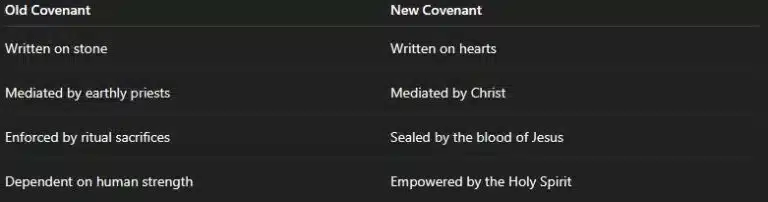
Let’s clarify: the verse speaks of a covenant, not the law itself. The old covenant was the agreement between God and Israel, written on stone and dependent on human obedience (Exodus 24:7). The new covenant is God writing the same law on our hearts by the Spirit (Jeremiah 31:31–33).
📖 Hebrews 8:10 – “I will put my laws into their mind, and write them in their hearts…”
🔎 If the law was truly gone, why would God write it into our hearts? What vanished was not God’s law—but the old method of administration (animal sacrifices, priesthoods, and the stone-covenant form).
➡️ What Really Changed?
Not the content of God’s expectations—but where and how they are received:
📖 Romans 3:31 – “Do we then make void the law through faith? God forbid: yea, we establish the law.”
✅ Summary
Hebrews 8:13 confirms that the old covenant form is fading, but it does not abolish God’s commandments. In fact, the new covenant restores them to their rightful place—in our hearts.
✅ The old covenant was external and failed due to weak human promises.
✅ The new covenant is internal and succeeds through Christ’s power.
✅ God’s law didn’t vanish—it found its true home.
📖 Psalm 40:8 – “I delight to do thy will, O my God: yea, thy law is within my heart.”
✅ Revelation 14:12 – “The Patience of the Saints Is Obedience to the Law”
📖 “Here is the patience of the saints: here are they that keep the commandments of God, and the faith of Jesus.” – Revelation 14:12
🔎 While many verses are twisted to disprove the law, this one stands as a divine seal of approval for those who do keep it. In fact, it prophetically identifies God’s true remnant people at the end of time.
➡️ No Excuse Here—This Verse Exposes the Lie
There’s no way to “reinterpret” this verse to suggest the law is gone. Instead, it reinforces that the faithful saints in the last days are clearly:
🔹 Commandment-keepers (God’s Law)
🔹 Faith-holders (Faith of Jesus)
Not one or the other. Both.
📖 James 2:18 – “I will shew thee my faith by my works.”
➡️ Why It Matters
This verse is the counterweight to all the other misused ones. While people run to Paul to try and argue away the commandments, the final book of the Bible confirms they will be the mark of faithfulness in the last days.
🔹 It’s not just about believing.
🔹 It’s about believing and obeying—in the Spirit, by faith, out of love.
✅ Summary
This is not a proof text for abolition—but a banner of truth over God’s people.
✅ God’s true saints are those who honor His law and trust in His Son.
✅ Obedience is not legalism when it’s born of love.
✅ This verse is a prophetic identity check for the remnant.
📖 1 John 5:3 – “For this is the love of God, that we keep his commandments: and his commandments are not grievous.”
Final Reflection – Truth or Tradition, Law or Lies?
We are living in an age when truth is traded for tradition, and grace is misused as permission to ignore God’s commands. The enemy hasn’t changed his tactics—just his packaging. He still whispers, “Hath God said…?” and many still fall for the lie that obedience is optional.
But the Word of God is clear:
📖 Ecclesiastes 12:13 – “Fear God, and keep his commandments: for this is the whole duty of man.”
📖 John 14:15 – “If ye love me, keep my commandments.”
We’re not saved by the law—but if we are saved, the law will be written on our hearts. Love fulfills the law not by erasing it, but by living it.
Let this article not only inform your mind—but reform your walk.
📌 Do you cling to verses that seem to excuse disobedience?
📌 Or do you hunger for truth, even if it means change?
Now is the time to choose.
Will you follow convenient lies—or covenant truth?