
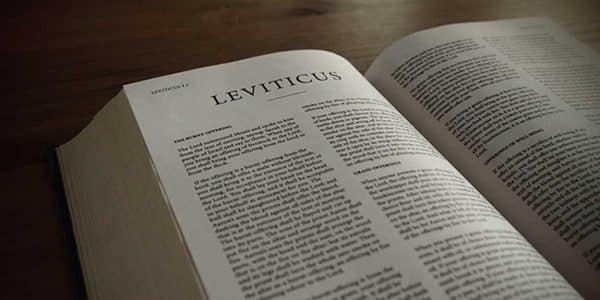
Chapter 20 – Judgment Against Sin, Life Through Obedience
Leviticus 20 follows the moral laws of the previous chapters with a sobering emphasis on accountability. This chapter outlines specific penalties—often severe—for various sins, especially those tied to sexual immorality, child sacrifice, and occult practices. God’s justice is not arbitrary—it flows from His holiness and love for life. At the same time, the chapter ends with a repeated call to separation and sanctification. God doesn’t just forbid evil—He invites His people to walk in purity, life, and blessing.
Sin Has Consequences, But Holiness Has Rewards
✔ Molech worship and child sacrifice are condemned.
✔ Occult practices and familiar spirits are forbidden.
✔ Sexual immorality is judged with severity.
✔ God calls Israel to be distinct from the nations.
✔ Holiness is tied to obedience, not heritage.
📖 Leviticus 20:7–8 – “Sanctify yourselves therefore, and be ye holy… and ye shall keep my statutes, and do them: I am the Lord.”
🔎 God’s laws are not about restriction—they’re about reflection. His people must reflect His character.
Leviticus 20:1–6 – The Price of Paganism
📖 Leviticus 20:2 – “Whosoever… giveth any of his seed unto Molech; he shall surely be put to death.”
🔎 Child sacrifice was an abomination—treating life as expendable and mocking God’s creative power. It represented the darkest depths of idolatry.
📖 Leviticus 20:6 – “The soul that turneth after such as have familiar spirits… I will even set my face against that soul.”
🔎 God’s face against someone is the ultimate rejection. Occult practices break covenant trust and open doors to demonic deception.
➡️ Paganism destroys families and communities—God’s holiness guards them.
Leviticus 20:7–21 – Moral Boundaries with Eternal Weight
📖 Leviticus 20:10 – “The man that committeth adultery with another man’s wife… shall surely be put to death.”
🔎 Adultery wasn’t just personal—it was covenantal. Breaking marriage vows fractured the family and society.
📖 Leviticus 20:13 – “If a man also lie with mankind… they shall surely be put to death.”
🔎 Homosexual acts are directly condemned here, as they were in chapter 18. God’s design for sexuality reflects His holiness and order.
📖 Leviticus 20:17 – “If a man shall take his sister… it is a wicked thing.”
🔎 Incest destroys the sacredness of family bonds. Every boundary God sets is for protection.
➡️ Sin invites judgment—not just from society, but from God. Holiness preserves dignity, family, and covenant.
Leviticus 20:22–27 – Holiness as a National Identity
📖 Leviticus 20:23 – “Ye shall not walk in the manners of the nation, which I cast out before you: for they committed all these things.”
🔎 Israel was not chosen because they were better—but because they were called to be different. God holds all nations accountable.
📖 Leviticus 20:26 – “Ye shall be holy unto me… I have severed you from other people, that ye should be mine.”
🔎 Holiness isn’t about separation from culture—it’s about connection to God. Belonging to Him means reflecting Him.
➡️ Holiness isn’t just personal—it’s public. It shapes identity, legacy, and witness.
Overview: A Nation Called to Reflect a Holy God
🔹 Timeframe: Still at Sinai during the Holiness Code revelations.
🔹 Setting: Laws given to shape Israel’s national and spiritual integrity.
🔹 Theme: The consequences of sin and the blessing of holiness.
🔹 Connection to Christ: Jesus bore the punishment for our sins—so we could receive the holiness we couldn’t earn (2 Corinthians 5:21).
Grace Upholds the Law
Leviticus 20 shows that God’s justice is not cruel—it’s corrective. Sin has consequences because people matter. Families matter. Purity matters. God’s standards are not meant to shame, but to protect and preserve. Through Christ, the penalties are not erased—but fulfilled.
🔹 God takes sin seriously—so must we.
🔹 Boundaries are blessings, not burdens.
🔹 Israel’s holiness was a testimony to the nations.
🔹 Sin is never private—it always spreads.
🔹 Grace doesn’t cancel truth—it empowers obedience.
➡️ In Christ, justice and mercy meet. The cross does not diminish God’s law—it fulfills it with love.
Key Takeaways
🔑 God defines holiness—not culture.
🔑 Sin destroys families, but holiness builds them.
🔑 Occult practices invite judgment and separation from God.
🔑 Israel’s separation was for mission—not superiority.
🔑 The fear of the Lord leads to life and legacy.
Prophetic Patterns & Dual Fulfillment
🔮 Deuteronomy 18:10–12 – God detests occult practices and false worship.
🔮 Romans 6:23 – The wages of sin is death—but the gift of God is eternal life.
🔮 1 Peter 1:16 – “Be ye holy; for I am holy.”
🔮 Revelation 21:8 – The unrepentant are separated from the new creation.
Historical & Cultural Context
📜 Molech worship involved literal child sacrifice and demonic rituals.
📜 Canaanite religion blurred all moral boundaries.
📜 Israel was to be a living contrast to their neighbors.
📜 God’s moral law predated Moses—rooted in creation itself.
Final Reflection: Choose Life, Reflect Holiness
📌 What practices or beliefs in your culture challenge your commitment to God’s ways?
📌 Are you willing to stand apart so that you may belong fully to God?
📌 How does Christ’s fulfillment of judgment increase your love for holiness?
📖 Leviticus 20:26 – “Ye shall be holy unto me: for I the Lord am holy… and have severed you… that ye should be mine.”
🔥 God’s judgment is real—but so is His mercy. Holiness isn’t about fear—it’s about belonging. Live like you are His.