
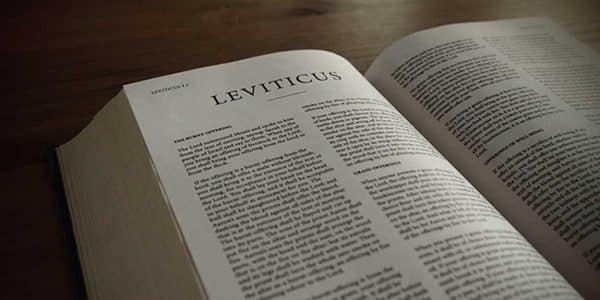
Leviticus 19 – God’s Call to Practical Holiness
Leviticus 19 is a sweeping summary of what it means to be holy in everyday life. From honoring parents and keeping the Sabbath to showing kindness to strangers and conducting fair business, this chapter weaves together moral, civil, and ceremonial instructions. These laws are not random—they reflect the very character of God. Again and again, the refrain is repeated: “I am the Lord.” Holiness is not just about what we avoid—but how we live in love, truth, and justice.
Living God’s Character in Daily Life
✔ Reverence for parents and Sabbath-keeping.
✔ No idolatry or occult practices.
✔ Leave food for the poor and the stranger.
✔ Be honest in speech, judgment, and business.
✔ Love your neighbor as yourself.
📖 Leviticus 19:2 – “Ye shall be holy: for I the Lord your God am holy.”
🔎 God’s holiness isn’t just majestic—it’s moral. To be holy is to reflect His purity, justice, and compassion.
Leviticus 19:1–8 – Holiness Begins at Home
📖 Leviticus 19:3 – “Ye shall fear every man his mother, and his father, and keep my sabbaths: I am the Lord.”
🔎 Holiness starts in the home—with honor and rest. Reverence for authority and God’s rhythm of life are foundational.
📖 Leviticus 19:4 – “Turn ye not unto idols, nor make to yourselves molten gods.”
🔎 God connects idolatry with spiritual unfaithfulness. We are called to loyalty in worship.
➡️ True holiness isn’t abstract—it begins with reverence, rhythm, and right worship.
Leviticus 19:9–18 – Justice and Love in Action
📖 Leviticus 19:9–10 – “Thou shalt not wholly reap… thou shalt leave them for the poor and stranger.”
🔎 God built generosity into the economic system. Provision for the poor was not charity—it was justice.
📖 Leviticus 19:13 – “Thou shalt not defraud thy neighbour… the wages of him that is hired shall not abide with thee all night.”
🔎 Justice in business is holiness in practice. Fairness reflects God’s character.
📖 Leviticus 19:16 – “Thou shalt not go up and down as a talebearer…”
🔎 Gossip and slander destroy trust. God calls us to speak truth in love.
📖 Leviticus 19:18 – “Thou shalt love thy neighbour as thyself: I am the Lord.”
🔎 Jesus called this the second greatest commandment. Holiness without love is hypocrisy.
➡️ Loving God must overflow into how we treat others—with compassion, integrity, and truth.
Leviticus 19:19–37 – Set Apart in Every Area
📖 Leviticus 19:19 – “Ye shall not let thy cattle gender with a diverse kind…”
🔎 These commands reflect a principle of separation and purity. God called Israel to distinctiveness even in agriculture and clothing.
📖 Leviticus 19:26–28 – “Ye shall not eat any thing with the blood… nor print any marks upon you.”
🔎 These practices were often connected to pagan rituals. Israel’s lifestyle was to reject superstition and embrace God’s authority.
📖 Leviticus 19:35–36 – “Ye shall do no unrighteousness in judgment… just balances… shall ye have.”
🔎 Honest dealings and equal justice were not optional—they were sacred.
➡️ God’s holiness touches every sphere—our body, work, land, worship, and relationships.
Reflecting a Holy God in a Broken World
🔹 Timeframe: Still at Sinai during the holiness code revelations.
🔹 Setting: Israel is being formed into a holy nation by daily laws.
🔹 Theme: Holiness is practical and relational.
🔹 Connection to Christ: Jesus embodies perfect holiness—loving God and neighbor flawlessly (Matthew 22:37–40).
Everyday Holiness
Leviticus 19 teaches that holiness is not about detachment—it’s about devotion. God’s people were called to reflect His purity, justice, and love in tangible ways. From family life to farming, from worship to workplace ethics, every detail mattered. Holiness was a lifestyle.
🔹 Honor, rest, and worship shape our moral compass.
🔹 Generosity and fairness are sacred acts.
🔹 Love must lead both word and deed.
🔹 Purity isn’t just ritual—it’s relational.
🔹 Distinctiveness is not pride—it’s purpose.
➡️ Holiness isn’t legalism—it’s loyalty to the God who is love.
Key Takeaways
🔑 Holiness touches every part of life.
🔑 Justice and generosity are not optional.
🔑 God calls us to reflect His heart in how we live.
🔑 Purity in worship guards against corruption.
🔑 Love is the true fulfillment of the law.
Prophetic Patterns & Dual Fulfillment
🔮 Matthew 22:39 – Jesus quotes Leviticus 19:18 as the second greatest commandment.
🔮 Micah 6:8 – “Do justly, love mercy, and walk humbly with thy God.”
🔮 Romans 13:10 – Love is the fulfilling of the law.
🔮 1 Peter 1:15–16 – “Be ye holy… for I am holy.”
Historical & Cultural Context
📜 Pagan cultures did not blend ethics with worship—God did.
📜 Leaving crops for the poor was unique to Israel’s law.
📜 Laws about mixing kinds symbolized spiritual purity.
📜 Justice in measurement protected the vulnerable.
Final Reflection: Holiness That Loves
📌 Are you reflecting God’s holiness in how you live each day?
📌 Do your habits reflect His justice, mercy, and truth?
📌 How can your love for God show up in how you treat others?
📖 Leviticus 19:2 – “Ye shall be holy: for I the Lord your God am holy.”
🔥 Holiness isn’t separation from life—it’s transformation in life. Be holy where you live, love, and labor.