
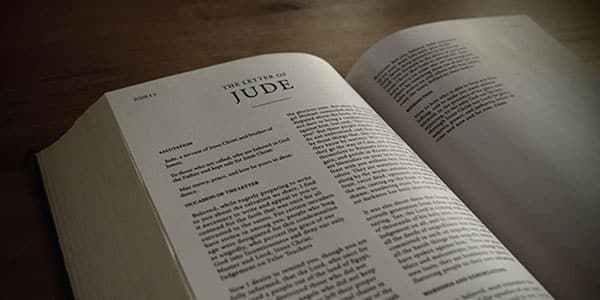
Jude – Contending for the Faith
The book of Jude is one of the shortest letters in the New Testament, yet it contains one of the strongest warnings about false teachers and spiritual deception. Jude writes with urgency, urging believers to defend the truth of the gospel and remain faithful to the teachings delivered by the apostles.
Originally intending to write about the shared salvation believers enjoy, Jude instead felt compelled to address a growing threat within the church. Certain individuals had entered the Christian community and were distorting God’s grace while leading others into sinful behavior.
Jude therefore calls believers to remain spiritually alert, to recognize deception, and to stand firmly in the truth of Christ.
Author
Jude, the Brother of James
The author identifies himself as Jude, the servant of Jesus Christ and brother of James. This James is widely understood to be the leader of the Jerusalem church and the author of the book of James.
Because James and Jude are both described in the Gospels as brothers of Jesus (Matthew 13:55), Jude was likely one of the earthly relatives of Christ. Despite this connection, Jude humbly identifies himself not as Christ’s brother but as His servant. This humility reflects the transformation that occurred after the resurrection of Jesus, when many of His relatives came to recognize Him as the Messiah.
Date Written
Most scholars believe the book of Jude was written between AD 65–80.
During this time, the early church faced increasing pressure from both external persecution and internal corruption. False teachers were infiltrating Christian communities and introducing doctrines that distorted the message of the gospel. Jude’s letter serves as a strong warning against these influences and encourages believers to remain steadfast in the truth.
Purpose of the Letter
Jude originally intended to write a letter celebrating the shared salvation of believers. However, he felt compelled to address a more urgent matter—the growing presence of false teachers within the church. These individuals were abusing the message of grace and promoting immoral behavior while rejecting the authority of Jesus Christ.
Jude therefore calls believers to contend earnestly for the faith, meaning they must actively defend the truth of the gospel against deception.
Key Themes
Contending for the Faith
Jude urges believers to defend the faith that was once delivered to the saints. This involves recognizing false teachings and standing firmly in the truth of Christ.
The Danger of False Teachers
Jude provides vivid descriptions of those who distort the gospel. These individuals manipulate God’s grace and promote behavior that contradicts the teachings of Christ.
God’s Judgment on Rebellion
Throughout the letter, Jude reminds readers of examples from Scripture where rebellion against God led to judgment, demonstrating that deception and disobedience carry serious consequences.
Spiritual Vigilance
Believers are encouraged to remain spiritually alert, strengthening their faith and supporting one another in truth.
God’s Power to Preserve
Despite the warnings about deception, Jude concludes the letter with a powerful reminder that God is able to keep believers from falling and present them blameless before Him.
Overview: A Warning Against Deception
The letter of Jude serves as a strong warning to the church about the dangers of spiritual deception and moral compromise. While false teachers attempt to distort the truth, believers are called to remain faithful to the teachings of Christ and defend the gospel entrusted to them.
🔹 The Faith Must Be Defended – Believers are called to contend for the truth of the gospel.
🔹 False Teachers Distort Grace – Some individuals misuse God’s grace to justify sinful behavior.
🔹 God Judges Rebellion – Scripture repeatedly shows that rebellion against God leads to judgment.
🔹 Believers Must Remain Vigilant – Spiritual discernment protects the church from deception.
🔹 God Preserves His People – Despite the dangers of deception, God is able to keep His people secure.
Hidden Gem – Jude and the Final Conflict
The message of Jude carries powerful relevance for the final generation of believers.
🔹 Jude describes a time when deception spreads within religious communities.
🔹 He warns about individuals who appear spiritual but secretly distort God’s truth.
🔹 His call to contend for the faith echoes the final warnings of Scripture found in books like 2 Peter and Revelation.
This brief letter therefore serves not only as a warning to the early church but also as a reminder that believers in every generation must remain faithful to the truth of Christ.