
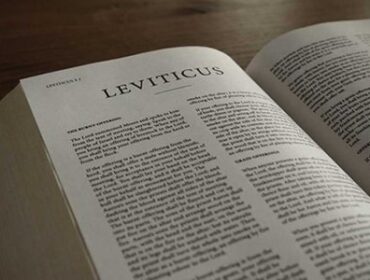
Leviticus Chapter 10 Study
Leviticus 10 – Strange Fire and Holy Fear As priestly ministry begins, tragedy strikes—Aaron’s sons, Nadab and Abihu, offer “strange fire” and are consumed by God’s judgment. This chapter is a solemn reminder that God’s presence is holy, and worship must align with His commands, not human ideas. Fire Misused, Holiness...
Leviticus Chapter 9 Study
Leviticus 9 – Fire from the Lord: The First Priestly Ministry After seven days of consecration, Aaron and his sons begin their priestly ministry. Leviticus 9 records their first official sacrifices. The chapter climaxes with God’s glory visibly appearing and fire falling from heaven—confirming the divine presence and pleasure. From Preparation to Power...
Leviticus Chapter 8 Study
Leviticus 8 – The Consecration of the Priests: Set Apart for Service Leviticus 8 shifts from sacrificial laws to the initiation of priestly ministry. Moses, by God’s command, ordains Aaron and his sons in a sacred seven-day process—washing, clothing, anointing, and offering sacrifices. This chapter teaches us that God’s servants must be...
Leviticus Chapter 7 Study
Leviticus 7 – The Law of the Offerings: Holiness, Justice, and Fellowship Leviticus 7 provides a detailed recap and clarification of the sacrificial system—especially the guilt offering and peace offering. It emphasizes proper handling, sacred portions for the priests, and the importance of purity, reverence, and communal joy in worship. Sacred Order in Worship As...
Leviticus Chapter 6 Study
Leviticus 6 – Sacred Trusts and Continued Offerings In Leviticus 6, God continues instructions on guilt offerings, focusing on wrongdoing against others, the need for repayment and added compensation, and the priestly role in maintaining the fire and presenting continual offerings. These commands reflect the sacred responsibility of living truthfully and serving...
Leviticus Chapter 5 Study
Leviticus 5 – The Guilt Offering: Confession, Restitution, and Mercy Leviticus 5 outlines the guilt (trespass) offering—a sacrifice given when someone sinned through omission, deception, or misuse of sacred things. It emphasizes confession, responsibility, and restoring what was lost, revealing a God who desires both justice and mercy. Restoring What Was Broken Leviticus...
Leviticus Chapter 4 Study
Leviticus 4 – The Sin Offering: Atonement for Unintentional Sin Leviticus 4 marks a shift from voluntary worship to required atonement. The sin offering was God’s provision for unintentional sins—actions done in ignorance or without intent to rebel, yet still defiling. It taught that all sin requires atonement, whether intentional or...
Leviticus Chapter 3 Study
Leviticus 3 – The Peace Offering: Fellowship Through Sacrifice The peace offering was unique—it was shared. Part burned on the altar, part given to the priests, and part eaten by the worshiper. It signified peace, thankfulness, and restored relationship between God and man, and within the community. Sacrifice Shared in...
Leviticus Chapter 2 Study
Leviticus 2 – The Meat Offering: Worship Without Blood Unlike the burnt offering, the meat (grain) offering required no blood—only flour, oil, frankincense, and salt. It symbolized a life of service and gratitude, sanctifying daily labor and presenting it as holy before God. Holy Flour and Fire The meat offering—better understood...