
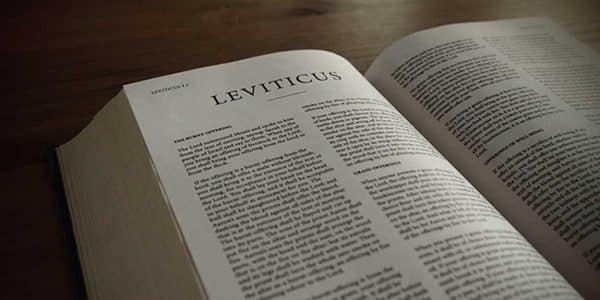
Leviticus 6 – Sacred Trusts and Continued Offerings
In Leviticus 6, God continues instructions on guilt offerings, focusing on wrongdoing against others, the need for repayment and added compensation, and the priestly role in maintaining the fire and presenting continual offerings. These commands reflect the sacred responsibility of living truthfully and serving faithfully.
When Trust Is Broken
Sin isn’t always an accident—it sometimes involves intentional deception or broken trust. Leviticus 6 begins by addressing such wrongs, showing that true repentance involves more than apology—it includes restitution. It then transitions into the sacred work of the priesthood, emphasizing the continual fire of sacrifice and the holy portion belonging to God.
✔ Sins of fraud, theft, and dishonesty require full restitution + 20%.
✔ The offender must bring a guilt offering.
✔ Priests are responsible for continual burnt offerings.
✔ Special rules govern holy portions, fire maintenance, and sacred space.
📖 Key Verse: “It shall be restored in the principal, and shall add the fifth part more thereto…” – Leviticus 6:5
🔎 True repentance doesn’t just return—it restores more.
Leviticus 6:1–7 – Deceit, Confession, and Restitution
📖 Leviticus 6:2 – “If a soul sin… and lie unto his neighbour in that which was delivered him to keep…”
🔎 Trust broken:
🔹 Sins of betrayal—such as fraud, theft, or false oaths—violate both man and God.
🔹 These are not merely personal wrongs; they offend the covenant of holiness.
📖 Leviticus 6:4–5 – “Then it shall be, because he hath sinned… he shall restore that which he took…”
🔎 Restitution required:
🔹 The offender must repay the full value plus one-fifth.
🔹 Restoration must precede offering—reconciliation before ritual.
📖 Leviticus 6:6–7 – “He shall bring his trespass offering unto the Lord…”
🔎 Guilt removed:
🔹 A ram without blemish is offered as a guilt offering.
🔹 The priest makes atonement, and forgiveness is assured.
➡️ Faith Insight: God sees integrity as sacred. Repentance that makes things right mirrors the justice and mercy of God.
Leviticus 6:8–13 – The Fire Shall Never Go Out
📖 Leviticus 6:9 – “This is the law of the burnt offering… the fire shall ever be burning upon the altar.”
🔎 Continual consecration:
🔹 The burnt offering burned day and night—symbolizing constant dedication.
🔹 Priests had to clean the ashes, renew the fire, and never let it go out.
📖 Leviticus 6:12–13 – “The fire shall ever be burning… it shall never go out.”
🔎 Holy persistence:
🔹 Fire on the altar represented God’s presence—it must be fed and preserved.
🔹 Worship is not seasonal or emotional—it is constant, tended daily.
➡️ Spiritual Insight: Keep your inner altar burning. Prayer, devotion, and obedience must be guarded like sacred flame.
Leviticus 6:14–30 – Sacred Portions and Holy Handling
📖 Leviticus 6:17 – “It shall not be baken with leaven… it is most holy…”
🔎 Holiness in detail:
🔹 The grain offering was most holy—eaten only by the priests in a holy place.
🔹 No leaven meant no corruption—purity was non-negotiable.
📖 Leviticus 6:25–26 – “In the place where the burnt offering is killed… shall the sin offering be killed before the Lord.”
🔎 Shared sacrifice site:
🔹 The sin offering was handled with utmost reverence—the location mattered.
🔹 Whoever touched its flesh became holy—proximity to the sacred left a mark.
➡️ Christ Connection: Jesus was the true sin offering, made holy and sacrificed “outside the camp” for us (Hebrews 13:11–12).
Overview: Truth, Fire, and Holiness
🔹 Theme: Sin requires both confession and correction. Worship requires both consistency and reverence.
🔹 Focus: Making things right with people, and maintaining holy order before God.
🔹 Outcome: Guilt is removed, wrongs are restored, and the fire never goes out.
Living Leviticus 6 Today
🔎 God calls us to protect the sacred—relationships, worship, and truth.
🔹 When we wrong someone, we restore what was lost and more.
🔹 When we worship, we keep the flame alive through daily devotion and faithfulness.
🔹 When we handle holy things—His Word, His people, His name—we do so with awe.
📖 “The spirit of man is the candle of the Lord.” – Proverbs 20:27
➡️ Modern Application: A restored life isn’t just forgiven—it’s reordered to burn continually for God’s glory.
Key Takeaways
🔑 Integrity is sacred—God demands justice and restoration.
🔑 Worship must be constant, tended like a flame.
🔑 Holy things require reverence, purity, and precision.
🔑 Proximity to the sacred changes those who draw near.
Prophetic Patterns & Dual Fulfillment
🔮 Jesus fulfilled the guilt offering by restoring what sin destroyed (Isaiah 53:10).
🔮 The eternal flame foreshadows the unceasing intercession of Christ (Hebrews 7:25).
🔮 The “most holy” status of the offering points to the sanctifying power of Christ’s sacrifice (Hebrews 10:10).
Historical & Cultural Context
📜 Restitution + Fifth – Ancient Israel’s legal system upheld justice with added penalty to ensure full restoration.
📜 Continual Burnt Offering – Day and night fire mirrored God’s constant presence and covenant watchfulness.
📜 Priestly Duties – The priests not only mediated offerings—they kept order, fire, and purity in the camp.
Final Reflection: Restore and Rekindle
Leviticus 6 teaches that justice and worship go hand in hand. We cannot claim to love God if we violate others, and we cannot worship well if we neglect the sacred fire. God desires not just a clean slate—but a burning altar.
📌 Have you repaid what you damaged—physically or relationally?
📌 Is your fire for God flickering, or fiercely tended?
📌 Are you handling what is holy with humility and awe?
🚀 Restore what was broken—and rekindle what was burning. God’s presence waits.