
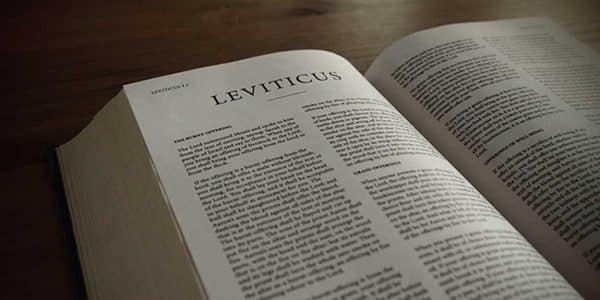
Leviticus Chapter 26 – Blessings and Curses: The Covenant Choice
Leviticus 26 is one of the most sobering and hope-filled chapters in the Torah. God lays before His people two paths—obedience that leads to unimaginable blessing, or rebellion that brings increasing judgment. This chapter unfolds like a covenant courtroom, with blessings and curses given in vivid detail. Yet even in the face of rebellion, God leaves a door open: repentance will bring restoration.
Covenant Choices and Consequences
✔ Obedience brings rain, peace, and fruitfulness.
✔ Rebellion leads to fear, famine, and exile.
✔ God warns with increasing intensity.
✔ The land rests in Israel’s absence—God cares for His creation.
✔ Repentance leads to mercy—God never forgets His covenant.
📖 Leviticus 26:3 – “If ye walk in my statutes, and keep my commandments, and do them…”
🔎 God’s covenant is not forced—it’s a relationship of choice. But choices have consequences.
Leviticus 26:1–13 – The Blessings of Obedience
📖 Leviticus 26:4–5 – “Then I will give you rain in due season… and ye shall eat your bread to the full.”
🔎 Obedience brings wholeness—physical, agricultural, emotional, and spiritual. God’s favor touches every part of life.
📖 Leviticus 26:6 – “I will give peace in the land… and none shall make you afraid.”
📖 Leviticus 26:12 – “I will walk among you, and will be your God, and ye shall be my people.”
🔎 The ultimate blessing is not prosperity—but God’s presence. Eden restored in covenant fellowship.
➡️ God blesses those who walk with Him—not just with things, but with Himself.
Leviticus 26:14–39 – The Curses for Disobedience
📖 Leviticus 26:16 – “I also will do this unto you; I will even appoint over you terror, consumption…”
🔎 Disobedience unravels blessing. God’s judgment is progressive—calling His people to repent at every stage.
📖 Leviticus 26:18, 21, 24, 28 – “And if ye will not yet for all this hearken unto me…”
🔎 The repetition shows God’s mercy—He does not delight in punishment, but longs for return.
📖 Leviticus 26:34–35 – “Then shall the land enjoy her sabbaths, as long as it lieth desolate…”
🔎 Even in judgment, God honors His law. The land rests when the people do not.
➡️ God’s correction is not cruelty—it’s covenant discipline aimed at restoration.
Leviticus 26:40–46 – The Hope of Restoration
📖 Leviticus 26:40 – “If they shall confess their iniquity… then will I remember my covenant.”
🔎 The chapter ends not in despair—but in hope. God promises that humble repentance will reopen the covenant blessings.
📖 Leviticus 26:42 – “Then will I remember my covenant with Jacob… Isaac… Abraham.”
📖 Leviticus 26:44 – “Yet for all that… I will not cast them away, neither will I abhor them, to destroy them utterly.”
🔎 God’s faithfulness surpasses human failure. His mercy endures even when His people forget Him.
➡️ Restoration is always possible—no matter how far one has fallen. The covenant can be renewed.
Overview: A Covenant of Consequences
🔹 Timeframe: Delivered before Israel entered the land.
🔹 Setting: A covenantal warning at Mount Sinai.
🔹 Theme: Blessings follow obedience; curses follow rebellion.
🔹 Connection to Christ: Jesus bore the curse of sin to bring the blessing of grace.
The Weight of Choice
Leviticus 26 confronts every heart with a decision—walk with God or walk away. It shows the depth of His justice and the heights of His mercy. The path of obedience leads to life; the path of rebellion leads to exile. But the door of return is not open forever—when the time of probation closes, so too does the opportunity for repentance. Now is the time to choose.
🔹 God delights to bless—but will not ignore rebellion.
🔹 Every judgment is preceded by patient warning.
🔹 The land and people are deeply connected in God’s economy.
🔹 Repentance restores alignment with the covenant—bringing the rebellious back under God’s promises and protection.
🔹 God’s faithfulness never ends.
➡️ Choose blessing. Choose obedience. Choose the God who remembers mercy.
Key Takeaways
🔑 Blessings are the fruit of faithful obedience.
🔑 Curses are warnings designed to call people back.
🔑 God’s presence is the highest reward.
🔑 Even judgment serves the purpose of restoration.
🔑 Repentance is always met with divine mercy.
Prophetic Patterns & Dual Fulfillment
🔮 Deuteronomy 28 mirrors and expands these blessings and curses.
🔮 2 Chronicles 36:21 – The land rested during Israel’s exile, fulfilling Leviticus 26.
🔮 Luke 15 – The Prodigal Son reflects the hope of return.
🔮 Galatians 3:13 – Christ became a curse for us to redeem us from the law.
Historical & Cultural Context
📜 Covenant treaties of the time often included blessings and curses.
📜 Israel’s history repeatedly echoed this pattern—obedience brought peace; rebellion brought exile.
📜 The land was central to their identity and responsibility.
📜 The mercy clause reflects God’s character in contrast to pagan deities.
Final Reflection: The Door Is Still Open
📌 What path are you walking—obedience or resistance?
📌 Do you see correction as punishment or mercy?
📌 Will you return while the door of grace is open?
📖 Leviticus 26:12 – “I will walk among you, and will be your God, and ye shall be my people.”
🔥 God’s discipline is not rejection—it’s redirection. His arms remain open to all who turn back.