
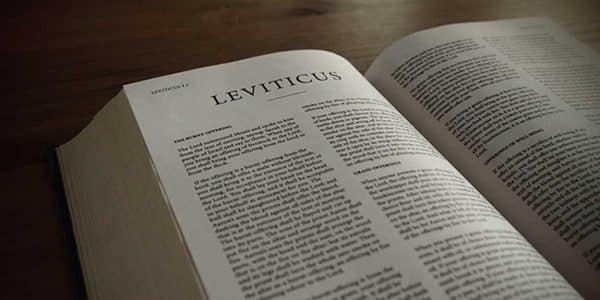
Leviticus Chapter 21 – Holiness Among the Priests
Leviticus 21 turns the focus toward the priesthood—the spiritual leaders of Israel. Because they served closest to God, the standard for their purity and behavior was higher. These instructions protected the sanctity of worship and reminded the people that holiness is not just what God demands—it’s what He deserves. From mourning customs to marriage choices, the lives of the priests were to reflect the God they represented.
Priestly Standards of Holiness
✔ Priests must avoid contact with the dead, except for close relatives.
✔ Mourning practices linked to paganism are forbidden.
✔ Priests must marry women of purity and good reputation.
✔ The high priest’s standard is even higher—no mourning defilement at all.
✔ Physical blemishes restricted priestly service before the altar.
📖 Leviticus 21:6 – “They shall be holy unto their God, and not profane the name of their God.”
🔎 Holiness isn’t just ceremonial—it’s relational. The priest’s life reflected God’s honor.
Leviticus 21:1–9 – Honor in Life and Loss
📖 Leviticus 21:1 – “There shall none be defiled for the dead among his people.”
🔎 Priests had to avoid corpse contamination—a reminder that death was the result of sin, and their calling was toward life.
📖 Leviticus 21:5–6 – “They shall not make baldness… nor cuttings in their flesh… for they offer the offerings of the Lord.”
🔎 Pagan mourning practices were forbidden. Grief was not to be expressed like the nations—because their hope was different.
➡️ God’s people mourn differently—anchored in hope and holiness.
Leviticus 21:10–15 – The Higher Calling of the High Priest
📖 Leviticus 21:10–11 – “He shall not uncover his head… neither shall he go in to any dead body…”
🔎 The high priest bore the nation before God—his separation symbolized the need for perfect access and life before the Lord.
📖 Leviticus 21:13–15 – “He shall take a wife in her virginity… neither shall he profane his seed among his people.”
🔎 The priest’s marriage represented covenant purity—pointing to the future purity of Christ’s bride, the Church.
➡️ Leadership demands greater surrender. The closer to the holy, the higher the call.
Leviticus 21:16–24 – Service and Sacred Wholeness
📖 Leviticus 21:17–18 – “Whosoever… hath a blemish, shall not approach to offer the bread of his God.”
🔎 Physical perfection in the priest symbolized the spiritual perfection required to approach God. This was not a value judgment—but a symbol of purity.
📖 Leviticus 21:21–23 – “He shall eat the bread of his God… only he shall not go in unto the vail, nor come nigh unto the altar.”
🔎 Priests with physical blemishes were still part of the priesthood—but limited in their visible service. God affirmed their worth, while preserving the symbol.
➡️ God’s holiness is symbolized through wholeness. Christ is our perfect High Priest—without blemish, fully worthy.
Overview: Called to Reflect God’s Perfection
🔹 Timeframe: Still at Sinai, during the giving of priestly and holiness laws.
🔹 Setting: Specific commands for priestly conduct in Israel.
🔹 Theme: Holiness in leadership and service.
🔹 Connection to Christ: Jesus is the perfect High Priest—pure, undefiled, and eternally interceding for us (Hebrews 7:26–27).
The Weight of Representation
Priests didn’t just serve people—they represented God. Their lives were to embody reverence, purity, and covenant loyalty. Today, all believers are called priests (1 Peter 2:9), and the standard of holiness continues—not through ritual, but through Spirit-empowered living.
🔹 Leadership flows from intimacy with God.
🔹 Public service requires private purity.
🔹 Holiness isn’t exclusion—it’s expression of God’s nature.
🔹 God honors every calling—even with limitations.
🔹 Jesus is the fulfillment of every priestly shadow.
➡️ To represent the Holy One, we must walk in holiness ourselves.
Key Takeaways
🔑 Holiness matters most where we represent God.
🔑 Priestly standards reveal the seriousness of sacred service.
🔑 Purity in marriage and mourning was about testimony.
🔑 Not all can serve the same, but all have value.
🔑 Christ makes a way for us all to draw near.
Prophetic Patterns & Dual Fulfillment
🔮 Exodus 28 – Priestly garments symbolize purity and representation.
🔮 Hebrews 4:14–16 – We now approach the throne through Christ, our High Priest.
🔮 Hebrews 7:26 – Jesus is “holy, harmless, undefiled, separate from sinners.”
🔮 1 Peter 2:9 – Believers are now a “royal priesthood.”
Historical & Cultural Context
📜 Priests were central to Israel’s covenant worship.
📜 Pagan priests commonly practiced mourning rites Israel was forbidden to copy.
📜 Physical blemishes symbolized the need for uncorrupted worship.
📜 The priesthood pointed to something greater—fulfilled in Christ.
Final Reflection: Representing the Holy
📌 Are you living in a way that honors the God you represent?
📌 What areas of your life need purification to reflect Christ?
📌 How does Jesus as our High Priest inspire your walk?
📖 Leviticus 21:6 – “They shall be holy… and not profane the name of their God.”
🔥 Holiness isn’t just what we do—it’s who we become when we serve the Living God.