
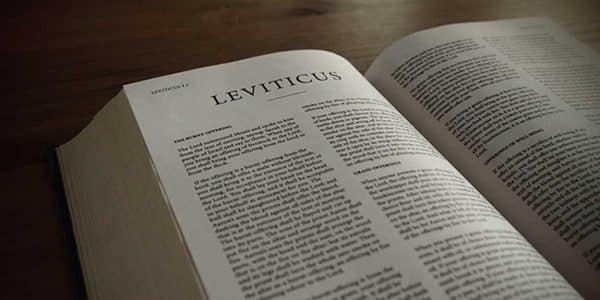
Leviticus 10 – Strange Fire and Holy Fear
As priestly ministry begins, tragedy strikes—Aaron’s sons, Nadab and Abihu, offer “strange fire” and are consumed by God’s judgment. This chapter is a solemn reminder that God’s presence is holy, and worship must align with His commands, not human ideas.
Fire Misused, Holiness Revealed
What began in glory (Leviticus 9) now pivots to judgment and awe. Nadab and Abihu approach God with unauthorized fire—worship on their own terms. The result is devastating. Leviticus 10 teaches us that God’s presence is not to be treated casually.
✔ Nadab and Abihu offer strange fire.
✔ God consumes them with holy fire.
✔ Moses instructs Aaron in silence and reverence.
✔ Priests are warned to be sober and obedient.
📖 Key Verse: “I will be sanctified in them that come nigh me, and before all the people I will be glorified.” – Leviticus 10:3
🔎 Worship must reflect the holiness of the One we approach.
Leviticus 10:1–7 – Strange Fire and the Death of the Priests
📖 Leviticus 10:1–2 – “Nadab and Abihu… offered strange fire before the Lord… and there went out fire from the Lord, and devoured them.”
🔎 God’s holiness consumes disobedience:
🔹 Nadab and Abihu offered incense not commanded by God—perhaps at the wrong time, wrong place, or with the wrong attitude.
🔹 Fire falls again—but this time, in judgment.
📖 Leviticus 10:3 – “I will be sanctified… and glorified.”
🔎 God’s name is honored through reverence:
🔹 Moses reminds Aaron that God must be approached on His terms, not man’s imagination.
🔹 Aaron responds in holy silence.
➡️ Faith Insight: Reverence is not optional. Holiness demands humility.
Leviticus 10:8–11 – Sobriety in Service
📖 Leviticus 10:9 – “Do not drink wine nor strong drink… when ye go into the tabernacle.”
🔎 Sobriety required:
🔹 God warns against intoxication in worship—perhaps Nadab and Abihu were impaired.
🔹 Priests must distinguish holy from unholy and teach others truth.
➡️ Spiritual Insight: Clarity in God’s service requires spiritual and physical alertness.
Leviticus 10:12–20 – Obedience Amid Sorrow
📖 Leviticus 10:16–18 – “Moses diligently sought the goat of the sin offering… and was angry with Eleazar and Ithamar…”
🔎 A test of careful obedience:
🔹 Aaron’s remaining sons mishandle part of the offering.
🔹 Moses confronts, but Aaron explains their grief prevented full observance—and Moses accepts this.
➡️ Grace Note: God understands our weakness in grief—but calls us to keep striving for holy obedience.
Overview: Fire That Purifies or Consumes
🔹 Theme: Worship must reflect God’s holiness.
🔹 Focus: The danger of casual worship and the call to reverence.
🔹 Outcome: God is glorified when His instructions are honored.
When Fire Is Not From God
Nadab and Abihu were priests. They were ordained. Yet when they brought unauthorized fire into God’s holy presence, they were consumed. The act was not simply a ritual mistake—it was false worship offered outside divine instruction. This is the first appearance of “strange fire” in the Bible, and it sets the tone for what happens when man’s ideas replace God’s commandments.
✔ Strange fire = worship not commanded by God.
✔ It profanes what is holy and brings judgment.
✔ It reappears in future prophetic deceptions.
✔ True worship must always align with God’s Word.
📖 Key Verse: “And there went out fire from the Lord, and devoured them, and they died before the Lord.” – Leviticus 10:2
1️⃣ The Meaning of “Strange Fire” – Hebrew Word Study
📖 Hebrew Phrase: Esh Zarah (אֵשׁ זָרָה)
🔎 “Zarah” means: foreign, unauthorized, alien, or profane
🔹 Used to describe prohibited incense, unholy offerings, or strange alliances.
🔹 Always paired with mixing the holy with the profane (see Exodus 30:9).
🔹 The fire Nadab and Abihu offered was not from the altar—it was man-made worship, introduced into divine service.
➡️ Insight: Strange fire is any attempt to worship God on human terms rather than His revealed instructions.
2️⃣ Cross-References – Strange Fire in Scripture
📖 Numbers 16:35 – “And there came out a fire from the Lord, and consumed the 250 men that offered incense.”
🔎 Korah’s rebellion mimicked Nadab and Abihu. Unauthorized incense = strange fire = judgment.
📖 1 Kings 18:24, 38 – Elijah and the prophets of Baal
🔎 False fire fails to fall; true fire confirms the true God. Baal worship is a form of strange fire.
📖 2 Chronicles 26:16–21 – King Uzziah tries to burn incense in the temple
🔎 Though king, he oversteps priestly bounds—struck with leprosy. Unauthorized offering = strange fire.
📖 Acts 5:1–11 – Ananias and Sapphira lie to the Spirit
🔎 No physical fire, but divine judgment falls—strange offering, deceitful worship.
➡️ Spiritual Pattern: Every act of man-centered worship outside God’s command draws judgment—not approval.
3️⃣ Prophetic Parallel – Revelation’s Counterfeit Fire
📖 Revelation 13:13–14 – “He maketh fire come down from heaven… and deceiveth them that dwell on the earth.”
🔎 End-time false prophet mimics Elijah—but calls down strange fire to validate false worship of the beast.
🔹 The fire seems real—but it’s not from God. It convinces the world to worship a false system.
🔹 This is the last strange fire—global in scale, deadly in deception.
📖 Matthew 7:22–23 – “Lord, Lord, have we not prophesied in thy name… and in thy name done many wonderful works?”
🔎 Even those who think they’re offering holy worship may be rebuked.
➡️ End-Time Insight: The final deception will involve worship that looks powerful but breaks God’s law.
4️⃣ Living in the Light of True Fire
🔎 What can we do today to avoid offering strange fire?
🔹 Worship according to God’s Word, not personal experience.
🔹 Test the spirits—not every miracle or fire is from God (1 John 4:1).
🔹 Reject emotionalism that bypasses truth.
🔹 Exalt Christ, not man.
🔹 Keep Sabbath and God’s commandments—true worship flows from obedience.
📖 “God is a Spirit: and they that worship him must worship him in spirit and in truth.” – John 4:24
➡️ Modern Application: Only one kind of fire pleases God—the fire He sends, not the one we manufacture.
Key Takeaways
🔑 God’s presence is not to be approached carelessly.
🔑 Reverence, not innovation, defines holy worship.
🔑 Leaders must be sober and discerning.
🔑 God accepts humble obedience, even amid sorrow.
Prophetic Patterns & Dual Fulfillment
🔮 Strange fire warns against false worship in the last days (Revelation 13:13–14).
🔮 Jesus, the true High Priest, offered acceptable worship once for all (Hebrews 9:14).
🔮 The fire that fell parallels both Pentecost’s purity and judgment in Revelation.
Historical & Cultural Context
📜 Strange Fire – Not fire from the altar. Some scholars believe it came from a common flame, or offered at an unauthorized time.
📜 Silence of Aaron – Deep grief and respect for God’s justice merged.
📜 Priestly Sobriety – Priests were often offered wine (e.g., feasts), but not while ministering.
Final Reflection: Worship on God’s Terms
Leviticus 10 is sobering, but necessary. God is not casual about His holiness, and neither should we be. Nadab and Abihu teach us that right offerings must come from right hearts. Yet in Aaron’s silence, we also learn: God is still merciful.
📌 Are you offering what God never asked for?
📌 Is your worship guided by emotion—or by reverence and truth?
📌 Are you living like His presence is holy?
🚀 Let your fire be true. Let your life be holy. God is near.