
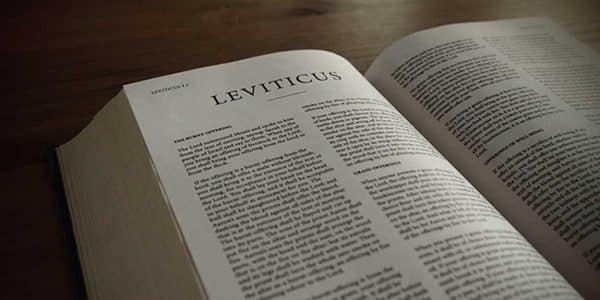
Leviticus 1 – The Burnt Offering: A Call to Voluntary Surrender
The book of Leviticus opens with God speaking from the Tabernacle, giving Moses instructions on how the people may draw near through offerings. The burnt offering—entirely consumed by fire—symbolizes wholehearted devotion and surrender to the LORD.
Worship Begins with Sacrifice
Leviticus opens with the voice of God calling out from the newly constructed Tabernacle—not to display majesty, but to invite approach. The first message is about burnt offerings, the most complete and voluntary of all sacrifices. In this, we see the foundation of true worship: surrender, atonement, and access through blood.
✔ God speaks from the Tabernacle for the first time.
✔ The burnt offering is introduced—voluntary, entire, and pleasing.
✔ It may come from the herd, flock, or birds.
✔ The offerer lays hands on the animal before it is slain.
📖 Key Verse: “And he shall put his hand upon the head of the burnt offering; and it shall be accepted for him to make atonement for him.” – Leviticus 1:4
🔎 Atonement begins with identification—placing your need upon the sacrifice.
Leviticus 1:1–3 – A Voluntary Offering from the Heart
📖 Leviticus 1:1–3 – “If any man of you bring an offering unto the Lord… he shall offer it of his own voluntary will…”
🔎 Worship that costs something:
🔹 The burnt offering was not mandatory—it came from a willing heart desiring deeper fellowship.
🔹 It had to be a male without blemish—symbolizing purity and strength.
🔹 This foreshadows Christ’s perfect, willing sacrifice (John 10:17–18).
➡️ Faith Insight: God desires our worship to be freely given, not forced. True devotion flows from love.
Leviticus 1:4–9 – The Process of the Offering
📖 Leviticus 1:4–5 – “And he shall put his hand upon the head… and he shall kill the bullock before the Lord.”
🔎 Identification and substitution:
🔹 Laying hands signified transfer of guilt and identification with the sacrifice.
🔹 The offerer killed the animal themselves—reminding them that sin has a price.
🔹 The priest sprinkled the blood—life poured out in sacred exchange.
📖 Leviticus 1:6–9 – The offering is skinned, cut, arranged, and completely burned.
🔹 The entire body was consumed—nothing held back.
🔹 The fire represented God’s acceptance and purification.
🔹 A “sweet savour” rose to the LORD—not because of the smell, but the obedience and sincerity it represented.
➡️ Spiritual Insight: The burnt offering teaches us to lay everything on the altar. God is pleased when we withhold nothing.
Leviticus 1:10–17 – From the Flock or the Birds
📖 Leviticus 1:10–13 – “And if his offering be of the flocks… he shall bring it a male without blemish.”
🔎 Equal access, different means:
🔹 Whether a bull, a sheep, or a bird—the heart mattered more than the wealth.
🔹 The poor could bring a turtledove or pigeon, and God still accepted it.
🔹 Every level of society could approach God through a personal, sacrificial act.
📖 Leviticus 1:14–17 – Instructions for bird offerings follow the same themes—blood, fire, and ascent.
➡️ Christ Connection: Jesus pointed to the sparrow, reminding us that even the smallest offering is seen by God (Luke 12:6).
Overview: Worship that Ascends
🔹 Theme: The path to God begins with voluntary, wholehearted sacrifice.
🔹 Focus: Drawing near through a burnt offering that is entirely consumed.
🔹 Outcome: A pleasing aroma rises to the LORD when worship is sincere and complete.
Key Takeaways
🔑 The burnt offering was not required—but it was desired.
🔑 God accepts offerings from all classes—rich or poor.
🔑 True worship involves cost, blood, and fire.
🔑 Atonement is made when we identify with the sacrifice.
Prophetic Patterns & Dual Fulfillment
🔮 The male without blemish points to Jesus Christ, the spotless Lamb of God (1 Peter 1:19).
🔮 The full consumption by fire foreshadows Christ giving Himself completely (Philippians 2:8).
🔮 The ascending smoke represents Jesus’ ascension and intercession (Hebrews 7:25).
Historical & Cultural Context
📜 Sacrificial System – Burnt offerings were the most frequent and most complete of all sacrifices.
📜 Voluntary Nature – This offering was about love and surrender, not sin alone.
📜 Temple Practice – These practices continued for centuries and foreshadowed the cross.
Final Reflection: The Altar of the Heart
Leviticus begins by calling God’s people not just to ritual, but to relationship—not just to law, but to love. The burnt offering teaches us that the way to intimacy with God is through voluntary surrender, complete sacrifice, and holy fire.
📌 What part of your life is still off the altar?
📌 Will you give Him your best—willingly and entirely?
📌 Does your worship cost you something, or is it leftovers?
🚀 Put it all on the altar—the flame of God’s presence waits.