
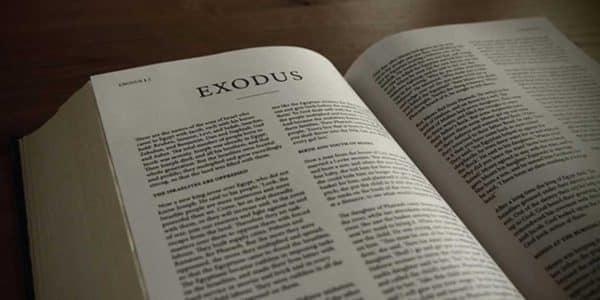
Exodus 38 – The Altar, the Laver, and the Courtyard
As construction continues, attention turns to the outer courtyard. The altar of burnt offering, the bronze laver, and the enclosure walls form the sacred boundary where Israel approached a holy God. Every item speaks of preparation, purification, and order in worship.
The Outer Place of Access and Sacrifice
Exodus 38 takes us from the inner sanctuary to the outer court—where sacrifice and cleansing prepared worshipers to draw near. These structures weren’t merely functional; they were prophetic symbols of the journey from sin to sanctification.
✔ The bronze altar for burnt offerings is completed.
✔ The laver is made from mirrors given by faithful women.
✔ The courtyard’s hangings and pillars are installed.
✔ The materials used are recorded with accountability and reverence.
📖 Key Verse: “This is the sum of the tabernacle…” – Exodus 38:21
🔎 Everything given to God must be counted, valued, and handled with care.
Exodus 38:1–7 – The Altar of Burnt Offering
📖 Exodus 38:1 – *”And he made the altar of burnt offering of shittim wood…”
🔎 A place of substitution:
🔹 The altar was the first structure encountered—symbolizing the starting point of reconciliation with God.
🔹 The sacrifice represented atonement, where sin was covered by the shedding of blood (Leviticus 17:11).
🔹 Bronze (unlike gold) symbolized judgment—it could withstand fire.
🔹 Horns on each corner spoke of power and refuge—where the guilty could cling for mercy (1 Kings 1:50).
➡️ Christ Connection: Jesus fulfilled this altar—He is our once-for-all sacrifice (Hebrews 10:10–12), and His cross is the true altar where judgment and mercy meet.
Exodus 38:8 – The Bronze Laver
📖 Exodus 38:8 – *”And he made the laver of brass, and the foot of it of brass, of the looking glasses of the women…”
🔎 Reflective cleansing:
🔹 The laver was used by priests to wash their hands and feet before service (Exodus 30:17–21).
🔹 It was made from the polished mirrors of the women—objects once used for self-reflection were transformed into tools of purification.
🔹 This exchange symbolizes turning from vanity to sanctification—where worship requires inward and outward cleansing.
➡️ Spiritual Insight: We are cleansed daily by the washing of water through the Word (Ephesians 5:26). Worship begins with purity.
Exodus 38:9–20 – The Court of the Tabernacle
📖 Exodus 38:9–10 – “And he made the court… their pillars and their sockets…”
🔎 A sacred boundary:
🔹 The courtyard separated the holy from the common, setting apart the space where God met His people.
🔹 Fine twined linen hung between pillars—creating both beauty and boundaries.
🔹 Entrance was limited to one gate on the east side—a picture of Christ, the only way to the Father (John 10:9).
➡️ Faith Insight: God desires to dwell with His people, but access must be on His terms—through cleansing, sacrifice, and reverence.
Overview: Preparation, Purity, and Presentation
🔹 Theme: The journey to God begins with sacrifice and cleansing.
🔹 Focus: Outer court construction, bronze furnishings, and spiritual accessibility.
🔹 Outcome: A space prepared for holy interaction with the Almighty.
Key Takeaways
🔑 The altar points to Christ’s substitutionary death.
🔑 The laver reveals the necessity of daily cleansing.
🔑 The courtyard symbolizes boundaries, reverence, and one way in—through Christ.
🔑 Everything was built with order, beauty, and purpose.
Prophetic Patterns & Dual Fulfillment
🔮 The bronze altar reflects the cross, where the ultimate sacrifice was made.
🔮 The laver symbolizes baptism and the sanctifying power of the Word.
🔮 The gate to the courtyard foreshadows Christ as the only entrance to salvation (John 14:6).
Historical & Cultural Context
📜 Materials – Bronze was associated with judgment and strength. Mirrors were costly and rare, making their use in worship highly sacrificial.
📜 Worship Space – The outer court was accessible to all Israelites but guarded by reverent design and limitations.
📜 Layout – The east-facing gate matched the rising of the sun, symbolizing hope and new beginnings.
Final Reflection: The Journey Begins at the Altar
Before one can enter God’s holy presence, there must be sacrifice, cleansing, and submission. Exodus 38 lays the foundation for spiritual approach: from the bronze altar to the laver to the gate, we see the steps of salvation and sanctification laid out in tangible form.
📌 Have you stopped at the altar to receive Christ’s sacrifice?
📌 Are you washing daily in the Word for spiritual renewal?
📌 Do you honor the boundaries God has placed for holy access?
🚀 Before the veil is the court—prepare your heart before you step into glory.